Shana tova oo-metukah!
As we just celebrated one of the highest holy days of all the feasts of the Bible, Yom Turah (Feast of Trumpets) known in modern times as Rosh ha Shana (Head of the Year).
Don’t stop now – more truth and grace await.As we just celebrated one of the highest holy days of all the feasts of the Bible, Yom Turah (Feast of Trumpets) known in modern times as Rosh ha Shana (Head of the Year).
Don’t stop now – more truth and grace await.Rosh Hashanah traditionally marks the Jewish New Year. “Shanah” is a unique Hebrew word meaning “to repeat, revise, or go over again”. As we begin the new year, with fall, then winter, spring, and summer, we remember the cyclical pattern of time in God’s creation. The nature of life is to repeat itself — to continue in a cycle, marked by Rosh HaShannah — a New Year. Although time is moving in a direction toward a definite destiny determined by the Creator, it does so in cycles … truly, “what goes around comes around”.
Continue reading – let faith rise.On Wednesday this week, we will celebrate the Biblical festival of Yom Teruah (Feast of Trumpets) otherwise known as Rosh Ha Shana. What’s interesting about Rosh Ha Shana (the Jewish celebration of the New Year), is that it doesn’t fall on the first day of the first month. It falls on the first day of the seventh month! It’s difficult for outsiders to understand this concept, but it all makes sense if we study how the Jewish year begins and how God is outlining this age according to the Jewish feasts.
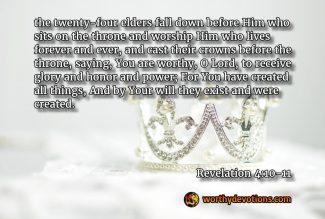
Click here to keep walking through this Word-filled moment.On Monday, we talked about “tashlich” — the traditional Jewish ceremony occurring between Rosh ha Shana and Yom Kippur, which involves casting bread crumbs into a river while confessing our sins and watching them be swept downstream. In this passage, however, we read about the importance of casting our crowns. These elders fell down before the Lord, casted their golden crowns and gave God the glory and honor He deserves. How much more should we do the same today?
Continue – this devotional isn’t done blessing you.The high priest of Ancient Israel wore a crown of pure gold on his head called a Nezer, which comes from the word “nazar”. This word “nazar” means to dedicate, consecrate and sacredly separate. The word “nazarite” comes from this root, and describes someone who has taken a vow to be separated from the world.
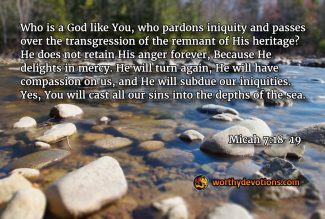
Click here for the rest – and let God minister to you.One of the more beautiful ceremonies of the Jewish faith is called “Tashlich”. Tashlich means to cast away. Every year between Rosh haShana and Yom Kippur, Jewish people around the world journey to a nearby river or stream and cast in bread crumbs as they confess their sins. As the bread crumbs are swept downstream soon to be out of sight, so they believe God will sweep away their sins.
Click here for the rest – and let God minister to you.On the Hebrew calendar, we’re at the end of the month of Elul. This particular month the shofar is sounded once a day as a call for the people to repent as we approach the Hebrew month of Tishri.
Click here to finish this devotional journey.